





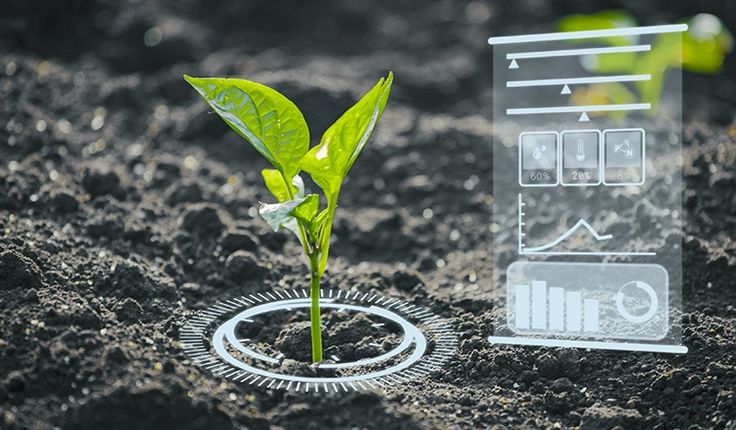
Indian agriculture is undergoing a digital revolution. By combining satellite imagery, soil sensors, computer vision, and machine learning, advanced technology in agriculture transforms raw field data into real-time, actionable insights. From precision crop nutrition and early pest detection to hyper-local weather alerts and yield forecasting, Artificial Intelligence eliminates guesswork, helping farmers lower input costs, protect soil health, optimize yields, and build long-term sustainability.
Indian agriculture is witnessing a massive transformation driven by innovation, research, and digital capabilities. Today’s farmers face unpredictable weather patterns, shrinking natural resources, rising input costs, and shifting soil health dynamics. To tackle these modern challenges, advanced technology in agriculture, specifically Artificial Intelligence (AI), has shifted from a futuristic concept to a practical tool that supports real-world decision-making on the ground.
At Shriram Farm Solutions, we believe that combining scientific research with modern tools is essential to transform every farmer into a successful agri-preneur. AI is leading this change by turning massive amounts of field data into clear, actionable advice.
What is AI in Agriculture?
Artificial Intelligence in farming involves using computer algorithms, machine learning, computer vision, and predictive data analytics to process complex agricultural information. By gathering data from sources like satellite images, drone footage, soil sensors, local weather stations, and historical crop yields, AI models analyze conditions much faster than traditional methods.
Instead of relying solely on broad regional forecasts or trial-and-error, new technology in agriculture provides micro-level insights tailored to specific fields, crop varieties, and growing conditions.
5 Key Ways Artificial Intelligence Helps Farmers Make Better Decisions
1. Precision Soil Health & Crop Nutrition Management
Applying inputs uniformly across an entire field often leads to nutrient imbalances and wasted resources. AI algorithms process soil test reports, historical cropping history, and real-time foliage data to pinpoint exact nutrient deficiencies.
- Targeted Application: AI models suggest precise doses for soil-applied nutrients, foliage sprays, micronutrients, and biostimulants based on crop growth stages.
- Balanced Feeding: Integrating tailored nutrition recommendations, such as specialty crop nutrition solutions from Shriram Farm Solutions, ensures plants build deep root structures, improve metabolism, and withstand climate stress.
2. Early Detection of Pests and Plant Diseases
Delayed intervention during pest infestations can severely impact overall yield. AI-powered computer vision tools change how crop protection is handled:
- Image Recognition: Farmers can upload high-resolution photos of affected leaves or stems to mobile applications. Machine learning models quickly match symptoms with extensive plant disease databases.
- Targeted Interventions: Early detection lets farmers apply targeted plant protection inputs, like insecticides or fungicides, only where needed, saving costs and protecting environmental health.
3. Hyper-Local Weather Forecasting & Smart Irrigation
Weather remains one of the largest risks in farming. While regional forecasts give a broad overview, AI models synthesize local weather data with real-time soil moisture sensors.
- Optimal Irrigation Schedules: Farmers receive alerts on when and how much to irrigate, saving water and reducing energy costs.
- Timely Field Work: Predictive algorithms highlight ideal windows for seed sowing, fertilizer spraying, and harvesting to minimize weather-induced crop damage.
4. Seed Variety Selection & Sowing Advisory
Choosing the right seed is foundational to crop performance. AI models consider regional soil types, seasonal rain patterns, and local temperature variations to recommend high-performing seed genetics.
- Combining AI-backed crop advisories with high-yielding seed choices (such as research-backed wheat, paddy, mustard, groundnut, or hybrid varieties) helps crops adapt to challenging climatic conditions.
5. Predictive Yield Forecasting and Harvest Planning
Understanding yield potential weeks before harvest gives farmers a distinct edge. AI systems analyze canopy cover, heat units, and plant health indices to estimate final tonnage with high accuracy.
- Logistics & Storage: Accurate predictions help farmers plan harvest labor, arrange transport, and line up cold storage or buyers in advance.
- Price Realization: Better forecasting supports smarter market decisions, helping producers sell at peak market rates.
Building a Smarter, Sustainable Future for Agriculture
The adoption of new technology in agriculture is key to building a resilient farm economy. AI simplifies data so farmers spend less time guessing and more time taking effective action.
At Shriram Farm Solutions, we remain committed to empowering Indian farmers through continuous research, scientific wisdom, precision advisory, and high-quality agri-inputs. By pairing field experience with digital advancements, farmers can improve yields, protect soil health, and boost farm profitability season after season.
Common Questions:
Q1: Can smallholder farmers with limited budgets benefit from AI technology?
Yes. Modern new technology in agriculture is increasingly accessible via simple smartphone applications. Farmers do not need expensive hardware; they can capture pictures of crops or soil health cards using mobile phones to receive instant AI-driven advice and localized advisories.
Q2: Does Artificial Intelligence replace traditional farming knowledge?
Not at all. AI tools are designed to complement a farmer’s experience and traditional wisdom. By processing complex data like satellite imagery or micro-climate shifts, AI gives farmers precise data points so they can make more confident, timely agronomic decisions.
Q3: How does AI contribute to sustainable agriculture?
AI enables variable-rate technology, meaning fertilizers, biostimulants, and plant protection products are applied only where and when needed. This targeted approach prevents chemical runoff into local water bodies, preserves soil micro-flora, and reduces overall farm emissions.
Q4: How does Shriram Farm Solutions support data-driven modern farming?
Shriram Farm Solutions combines cutting-edge research with extensive field presence. By developing high-performing seed genetics, specialized crop nutrition, and scientifically back crop protection products, we empower farmers to execute precision advisories effectively on their land.